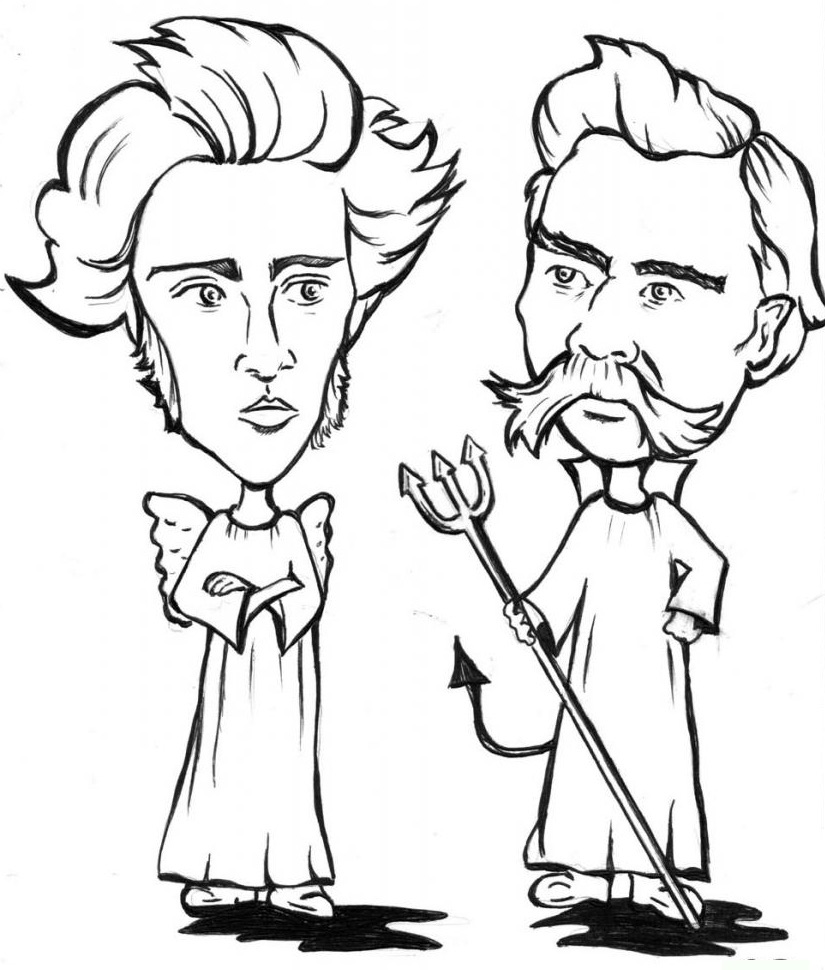
SK & FN
If you could pick any fictional animal to be your lifelong companion (like a Pokémon or fantasy pet), what would it be?
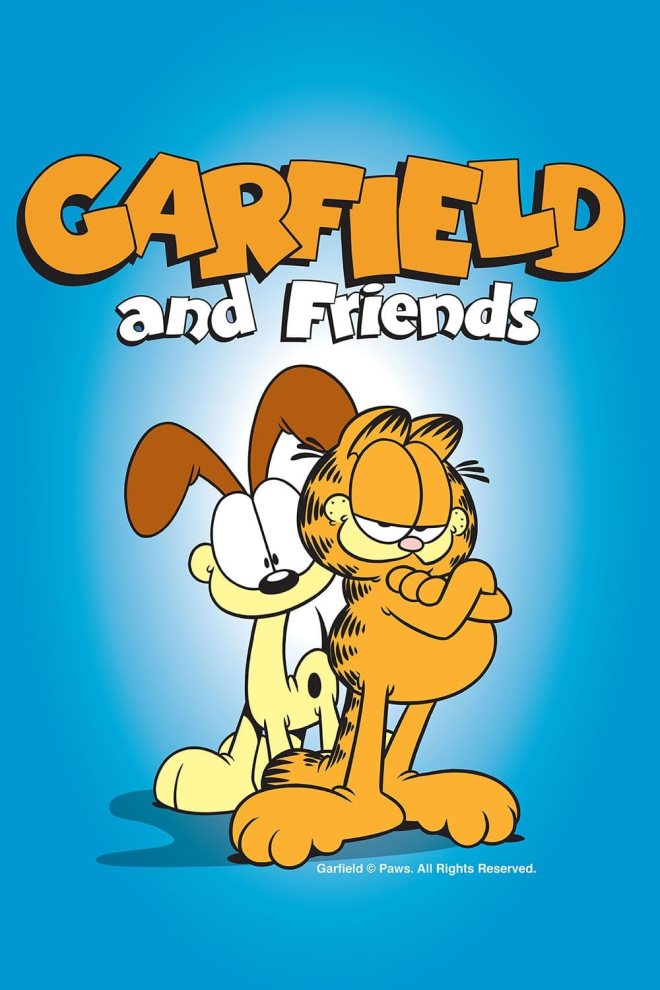
Garfield from Garfield and Friends. Our energies are comparable. I like lasagna. I am like Garfield owner, Jon Arbuckle, in so many ways (especially when it comes to relationship and being mocked).
To engage Nietzsche, then, is not merely to learn a set of concepts. It is to enter a field of force. His thought tests the reader. It asks whether one’s convictions are inherited or chosen, whether one’s moral language conceals resentment, whether one’s hopes depend on guarantees that no longer hold. It demands intellectual honesty of a rare kind—the willingness to follow a thought even when it threatens comfort.
The Wisdom of Friedrich Nietzsche: The Will to Power, the Death of God, and the Courage to Create
As GREGOR SAMSA awoke one morning from uneasy dreams he found himself transformed in his bed into a gigantic insect.
Franz Kafka
However, this criticism of “Nietzsche and many other philosophers” is based on a misunderstanding of what Nietzsche and these many other philosophers were focused on in their analyses of nihilism, for it was precisely our ability to “carry on” that concerned Nietzsche and those who followed in his wake. Such philosophers did not think that nihilism was a statement of fact about reality, something about which one made truth claims. Rather nihilism was seen as a reaction to reality. Discovering life is meaningless is not nihilism for Nietzsche; rather discovering life is meaningless and yet going on with our lives anyway is nihilism. What Tartaglia views as the way to respond to nihilism—to stop being bored or anxious and just reimmerse ourselves in our daily lives—is precisely what Nietzsche meant by nihilism. In other words, what Nietzsche wants us to overcome is not what Tartaglia means by “nihilism” but rather what Tartaglia means by “life.”
Gertz, Nolen. Nihilism
If you had to switch lives with a fictional character for a week, who would you choose?
Can I change the prompt to a historical person who may be considered to be on the periphery?! And I am not saying this person was perfect but rather this particular person was “close to” someone famous.
Can you read my handwriting? I am writing like a pig.
Letter to Franz Overbeck, 24th March 1883
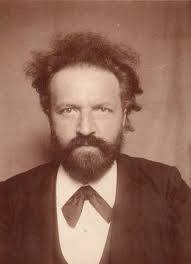
I would like to switch with Peter Gast (born Heinrich Köselitz). He was a friend of Nietzsche who created the pseudonym ‘Peter Gast’ for Köselitz. Nietzsche’s hand writing, due to his failing eyesight, was extremely hard to read. Gast was one of the few people who could read it and transcribe it. Yes, he may have edited some but it would be so interesting to be able to read Nietzsche in the original original. A return to the sources.
A particular individual can take the lead in an insurrection, but no particular individual can take the lead in leveling, for then he would, after all, become the commander and escape the leveling. Particular individuals may contribute to leveling, each in his own little group, but leveling is an abstract power and is abstraction’s victory over individuals. In modern times leveling is reflection’s correlative to fate in antiquity. The dialectic of antiquity was oriented to the eminent (the great individual—and then the crowd; one free man, and then the slaves); at present the dialectic of Christianity is oriented to representation (the majority perceive themselves in the representative and are liberated by the awareness that he is representing them in a kind of self-consciousness). The dialectic of the present age is oriented to equality, and its most logical implementation, albeit abortive, is leveling, the negative unity of the negative mutual reciprocity of individuals.
Kierkegaard’s Writings, XIV, Volume 14: Two Ages, 84
The conclusion of belief is no conclusion but a resolution, and thus doubt is excluded.
Kierkegaard’s Writings, VII, Volume 7, 84
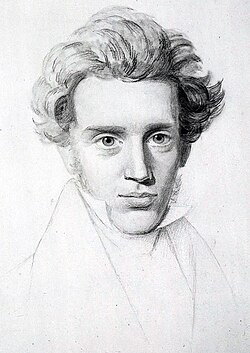
Kierkegaard describes the core of the modern world in one sentence:
In Hegelian philosophy the outer (the externalization) is higher than the inner.
Evans, C. Stephen; Walsh, Sylvia. Kierkegaard: Fear and Trembling (Cambridge Texts in the History of Philosophy)
No institution can give you the answer to a personal problem. No outside can give you meaning!
Have you ever liked a villain more than the hero? Who and why?
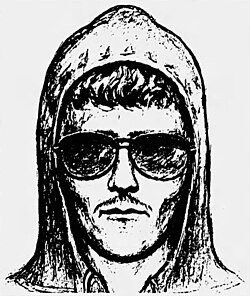
I like anti-heros in TV shows and movies, like Tony Soprano. But they are actually the main actor who happens to be engaged in things that we consider to be “bad”. Like Walter White or Dexter. All good characters but they are not villains in the TV show kind of way. They are the main character in a dark show.
My favourite villain, and I acknowledge that what he did was wrong, is Ted Kaczynski. He lived alone in the woods which is a big tick from me. He may have been made a villain from outside, another tick. And he had a purpose to his madness! All good reasons. If he were alive, I doubt I would like him as a person – he sounded a little (ok, a lot) weird. But his fear of technology, and the effect on humanity, seems more reasonable every day.

