idiorrhythmic monasticism, the original form of monastic life in Christianity, as exemplified by St. Anthony of Egypt (c. 250–355). It consisted of a total withdrawal from society, normally in the desert, and the constant practice of mental prayer. The contemplative and mystical trend of eremitic monasticism is also known as Hesychasm. In the Christian East, the “idiorrhythmic” system (from Greek idios, “particular”; rhythmos, “rule,” or “discipline”) always coexisted with cenobitic monasticism. It is still practiced on modern Mount Athos, Greece. See also cenobitic monasticism.
Britannica
bcp ascetics?
So, here is my reworking of John Cosins’ Precepts:
- To use a liturgical calender
- To fast
- To use an approved BCP (ie: no extras!)
- To say Morning and Evening Prayer
- To receive Holy Communion (at least once a year)
- To seek the advice (counsel) of a spiritual elder
Or: Renunication, Prayer, and Accountability
hermit?
It seems that by the end of the twelfth century the hermit was beginning to be defined as ‘ascetic’ rather than as one who lives alone.
Ward SLG, Sr Benedicta in Solitude and Communion: Papers on the Hermit Life, 90.
1 estate in 3 forms
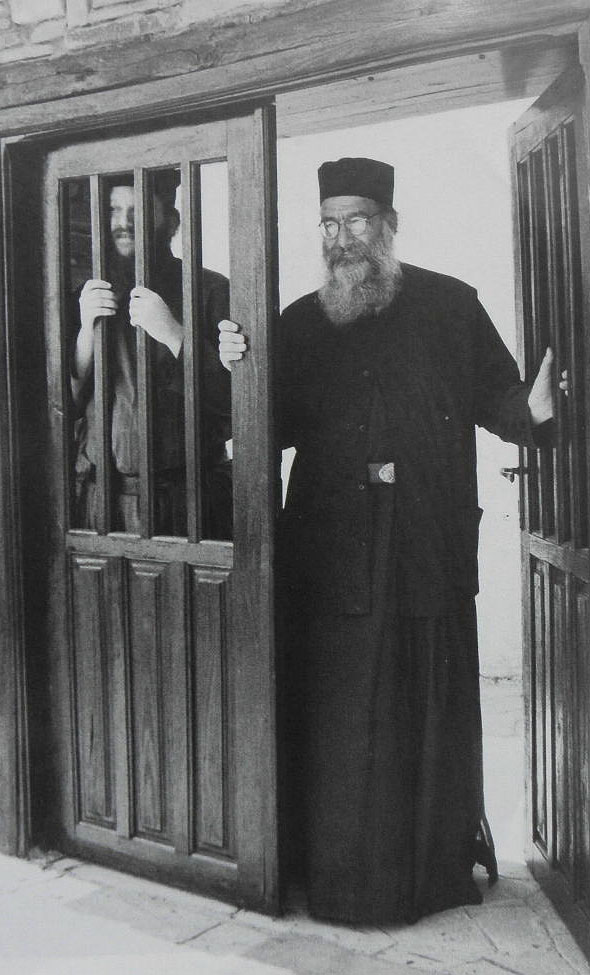
So hear me out: what if the dissolution of the monasteries (under Henry VIII) was not so bad after all? But the real tragedy was the jumping into the same model with rules and canons at the restoration of religious life? What if rather than useful sisterhoods (which only happened because priests needed help) an eastern model was used?
All monks and nuns share the same ascetic call and belong to a single, all-embracing ‘order’ or ‘estate’; yet within that one ‘estate’ there is a wide variety of patterns and a constant flexibility.
So there is one estate – the monastic – which the individual, male or female, enters through tonsure. More freedom! And then the individual has a choice:
The wide variety of patterns is reduced by St John Climacus (d. circa 649) to three main types: “The monastic way of life takes three general forms: to live in ascetic withdrawal and solitude; to be a hesychast with one or two companions; to dwell with patient endurance in a coenobium.” These three forms—the coenobitic, the eremitic, and the middle or semi-eremitic way of the hesychast who dwells with one or two others—are found at the very outset of Christian monasticism in fourth-century Egypt.
Ware, Metropolitan Kallistos; Walls in Solitude and Communion: Papers on the Hermit Life (Fairacres Publications), 48.
So one estate in three forms. With movement between the forms. Some years active, some years solitary, and some years in the middle. Yet there is one more point that is vital and has been complete (methinks) missed in Anglican “religious life”:
… from the start primary importance was attached to the need for personal spiritual direction under an ‘abba’ or ‘elder’—what the Greek sources call a gerôn and what the Russians were later to term a starets. The variety and flexibility of Eastern monasticism must inevitably seem ill-disciplined and untidy to the Western mind, unless it is remembered that underlying this variety there is the direct personal relationship between the spiritual father or mother and his or her child. This relationship, while it ensures inner order within seeming confusion, is not something that can be contained within institutional forms or controlled by rules.
ibid, 51
So one estate in three forms under the guidance of an “elder”. No need to institutionalise. No need for bishops to be involved and worry about vows. The model, methinks, is that of living one’s baptismal life rather than celibate marriage (to Jesus or the Church).
I suspect this was present in the life of anchorites in England before the Reformation:
The ambivalence in this relationship [between monastic rules and ‘rules’ for solitaries] reflects an underlying tension between monastic and anchoritic ideals. The monastic life is based on obedience, the anchoritic life on independence; one requires the renunciation of the will, the other the exercise of free choice.
Innes-Parker, Catherine; Yoshikawa, Naoë Kukita. Anchoritism in the Middle Ages: Texts and Traditions (Religion and Culture in the Middle Ages), 34.
So missed opportunity?
tiktok
What app eats up most of your screen time — and do you even feel bad about it?
Time for honesty: TikTok. (Go and follow me: afoolandhisprayerbook.)
Do I feel bad? Maybe!? There is lots of rubbish on the app. But I have curated my feed over time and now have lots of interesting people and topics. I try to be encouraging with comments. And even post occasionally.
And my time is my time – something that interests me is never bad.
wager!
Life in Religion is the ultimate wager on the existence of God. The Church should always be engaged in doing things that make no sense if God does not exist. This is the reason why I hold the Religious life in the highest esteem. Through the commonality of goods, the life of obedience and above all the commitment to shape life around the Opus Dei (that is, prayer), the monastic life models for all Christians what it means to live fully and abundantly, with and for Christ.
The Most Rev’d Justin Welby, Archbishop of Canterbury (2013 – 2025), Foreword to: Anglican Religious Life 2016-17
travel through the book
What’s a movie or book that inspired you to travel?
I have never intentionally travelled – I have moved from one place to another but that was utilitarian. I have no desire nor do I have the “nerve” to travel. But I have travelled through books – that is, the book itself has taken me on a journey of discovery.
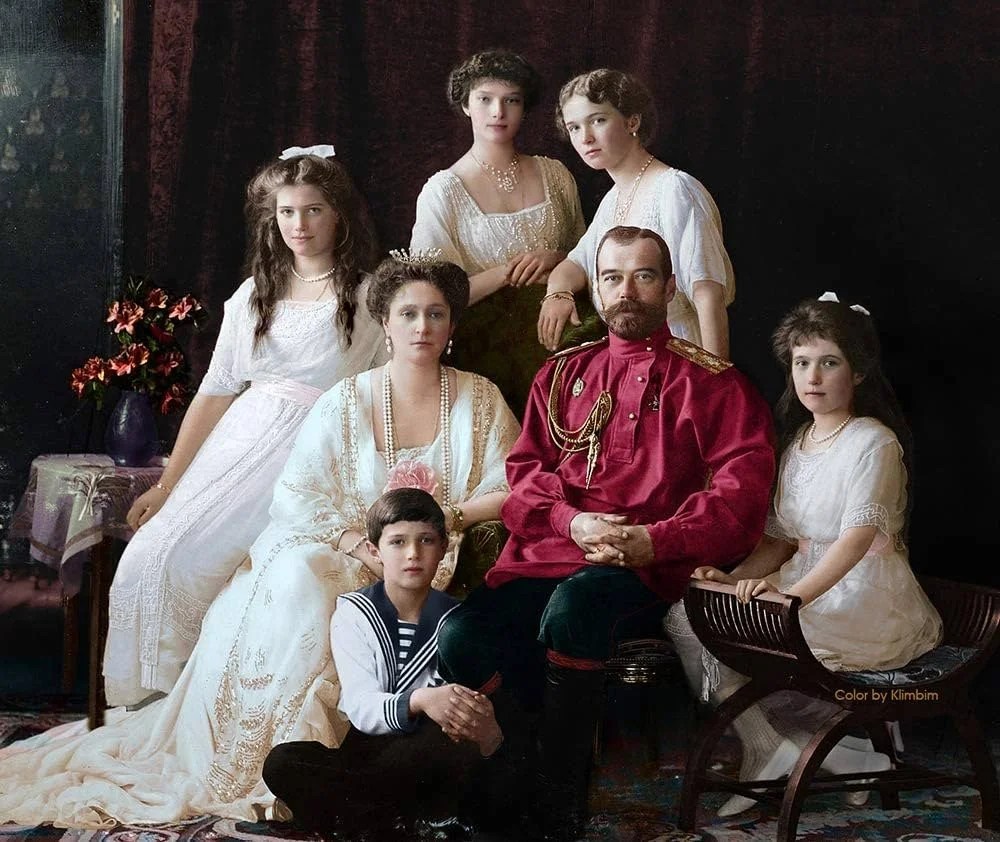
So which book? Just one: The Romanovs: The Story of Russia and its Empire 1613-1918. It made me fall in love with Russia and Russian Orthodox culture. (As an aside, I also read Rasputin: The Untold Story and The Last Tsar: The Abdication of Nicholas II and the Fall of the Romanovs, both of which made me want to read more.) The context and culture is so different to what I have experienced. (Yet, so similar!)
Anyway …
freedom?
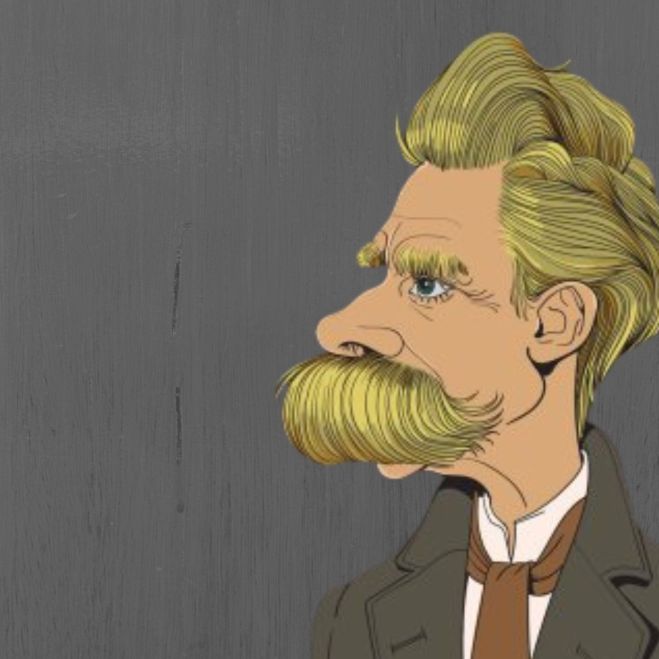
What in sooth is freedom? Freedom is the will to be responsible for ourselves. It is to preserve the distance which separates us from other men. To grow more indifferent to hardship, to severity, to privation, and even to life itself. To be ready to sacrifice men for one’s cause, one’s self included.
Friedrich Nietzsche, Twilight of the Idols, 38
the move
If you could erase one trend from history, what would it be?
I would erase the non-use of Early Modern English in liturgy! Very niche, I know. But some modern English is just banal.
So maybe the move from Early Modern English to Modern English?!
cds
Which outdated technology do you miss the most, and why?
I am partial to music CDs! I like streaming services but the experience of handling the physical CD is very nostalgic. Also the lyrics sheet was mint!
And I like collecting.

