ideal

If the monastic ideal is union with God through prayer, through humility, through obedience, through constant recognition of one’s sins, voluntary or involuntary, through a renunciation of the values of this world, through poverty, through chastity, through love for mankind and love for God, then is such an ideal Christian? For some the very raising of such a question may appear strange and foreign. But the history of Christianity, especially the new theological attitude that obtained as a result of the Reformation, forces such a question and demands a serious answer. If the monastic ideal is to attain a creative spiritual freedom, if the monastic ideal realizes that freedom is attainable only in God the Father, God the Son, and God the Holy Spirit, and if the monastic ideal asserts that to become a slave to God is ontologically and existentially the path to becoming free, the path in which humanity fully becomes human precisely because the created existence of humanity is contingent upon God, is by itself bordered on both sides by non-existence, then is such an ideal Christian? Is such an ideal Biblical—New Testamental? Or is this monastic ideal, as its opponents have claimed, a distortion of authentic Christianity, a slavery to mechanical “monkish” “works righteousness”?

The Ascetic Ideal and the New Testment: A Critique of the Theology of the Reformation
by Father George Florovsky
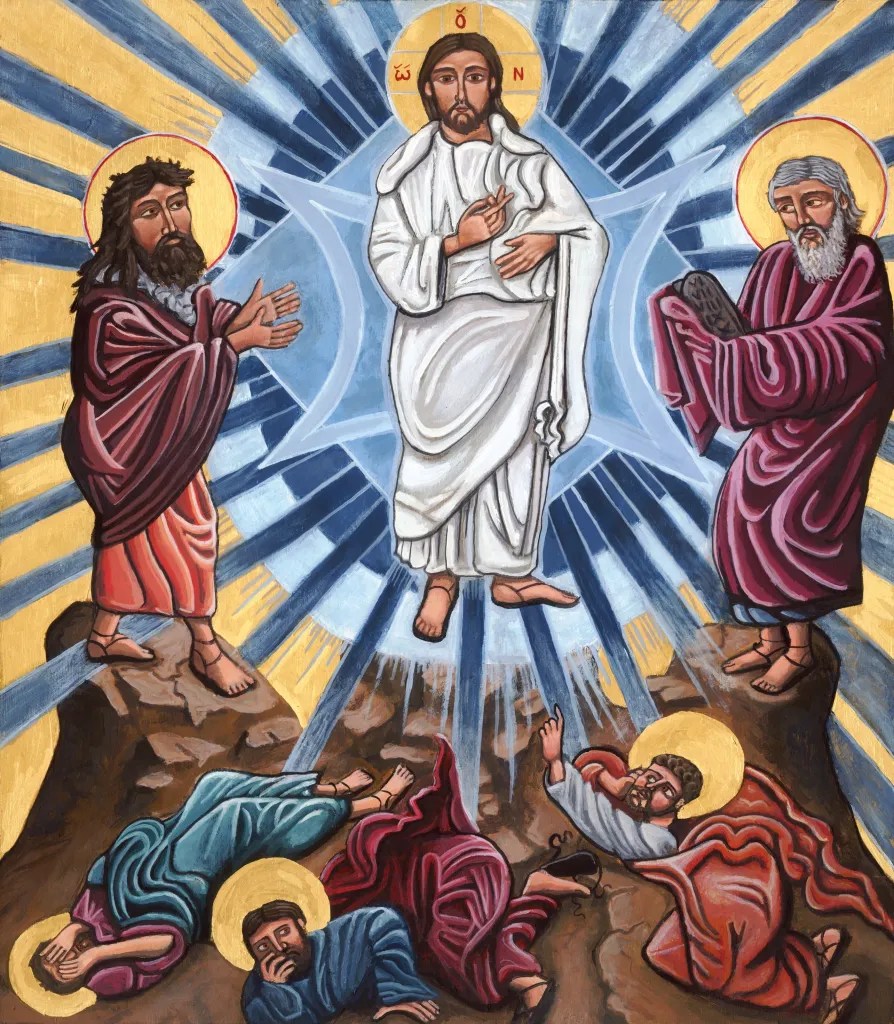
transfiguration of the Lord

Today is the great feast of the Transfiguration of our Lord Jesus Christ. I wish all of you to be spiritually transfigured and to begin a new life in Christ. Those who fulfill the commandments of the Lord according to their strength even here on earth pass from strength to strength. But those who are counted worthy to inherit the Kingdom of Heaven will pass already from glory to glory.

Talks with Spiritual Children: Spiritual Counsel from St. Barsanuphius of Optina

And, today, is my birthday! So happy birthday to me.

the elder

What entitles someone to act as spiritual guide? How and by whom is he or she appointed?

To this there is a simple answer. The elder or starets is essentially a “charismatic” and prophetic figure, accredited for her or his task by the direct action of the Holy Spirit. Spiritual guides are ordained, not by human hands, but by the hand of God. They are an expression of the Church as “event” or “happening,” rather than of the Church as institution

The Spiritual Guide in Orthodox Christianity, Bishop Ware

… as at baptism

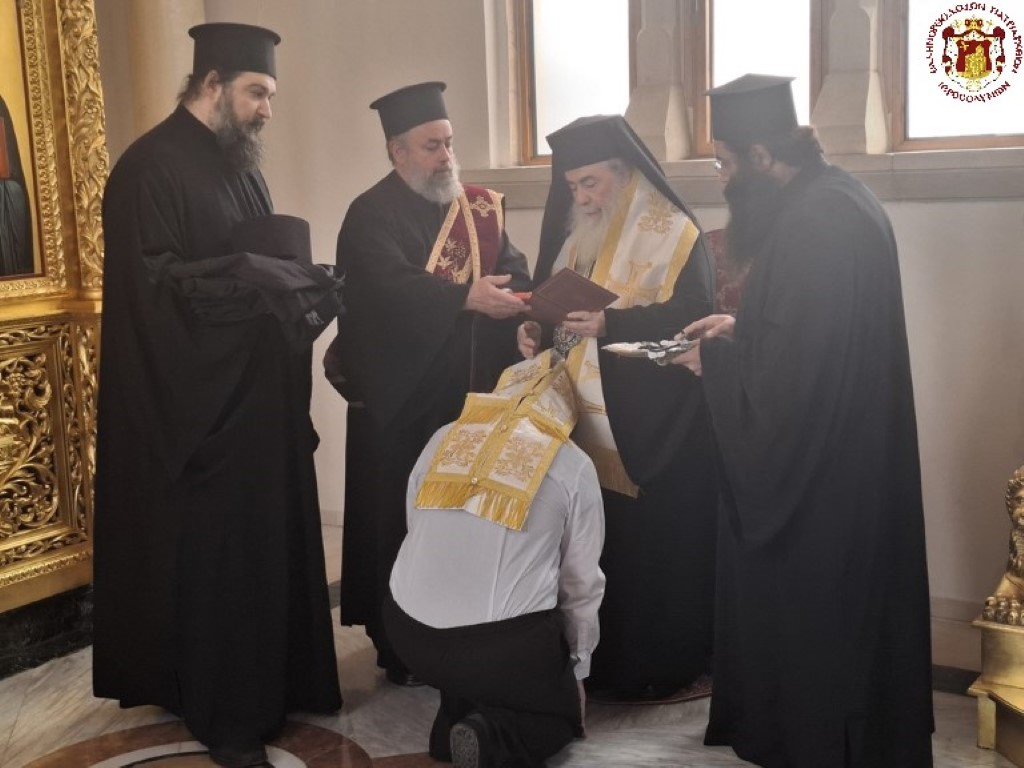
The Candidate at a Monastic Profession, a penitent like the Candidate for Baptism, comes as though to a second baptism. He is referred to in the Office itself as a Catechumen. He is unclothed in the Narthex, as though about to be baptized by immersion, and to signify that he is to put off the old man and put on the new. The Candidate takes Vows, similar to the baptismal vows of renunciation, faith, and obedience to the end of life. The Vows are taken, as at Baptism, in answer to formal and explicit questions. A new name is given, as at Baptism, which commonly has the same initial letter as the baptismal name; and the head is shorn, as at Baptism. The Habit given to the Monk or Nun at the Profession may be compared to the baptismal garments of the newly-baptized, consisting of the Chrisom-Robe, called in the Office of Baptism the Tunic of righteousness; the Girdle; and the Chrisom-Veil, known as the baptismal Cowl, or Cap. The Cross, the lighted candle, and the kiss correspond to those given at Baptism. And on the eighth day there follows the laying aside of the Cowl, after analogy of the laying aside of the baptismal robes.

In the Penitentiale of Theodore of Tarsus (a:b. 668-690) it is stated that the Monk covers his head with his Cowl for seven days, and on the seventh day the Abbot removes the head-covering, just as the Priest takes away the infant’s head-covering ; because, according to the opinion of the Fathers, the Monastic Profession is a second baptism, in which all sins are remitted as in baptism.

Monasticism in the Orthodox Church, 58-59

Theodore the Studite

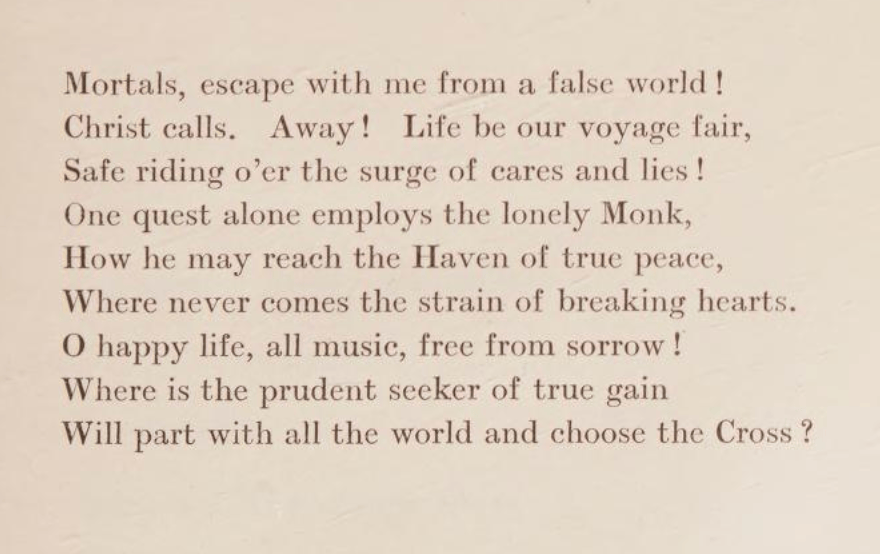
Mortals, escape with me from a false world!
Christ calls. Away! Life be our voyage fair,
Safe riding o’er the surge of cares and lies!
One quest alone employs the lonely Monk,
How he may reach the Haven of true peace,
Where never comes the strain of breaking hearts.
O happy life, all music, free from sorrow!
Where is the prudent seeker of true gain
Will part with all the world and choose the Cross?