Fearless Fly who was part of The Milton the Monster Show (1965-1968). Fearless Fly’s sole weakness is losing his glasses, which happens in most of the episodes. When he lost his glasses, he would say, “Where are my glasses?”. I say that when I am looking for my glasses.
If your pet could talk, what would be the first thing it says?
Most likely, “what is this noise coming from me”. Or “why am I talking?”.
Again, sorry to disappoint, I have no pet. So maybe my coffee can talk and it would say, “please don’t drink me”! But I would hear, “drink me! Drink me!”.
… Let not him that eateth despise him that eateth not; and let not him which eateth not judge him that eateth: for God hath received him. Who art thou that judgest another man’s servant? to his own master he standeth or falleth. Yea, he shall be holden up: for God is able to make him stand. One man esteemeth one day above another: another esteemeth every day alike. Let every man be fully persuaded in his own mind. … But why dost thou judge thy brother? or why dost thou set at nought thy brother? for we shall all stand before the judgment seat of Christ. … So then every one of us shall give account of himself to God. … Hast thou faith? have it to thyself before God. Happy is he that condemneth not himself in that thing which he alloweth.
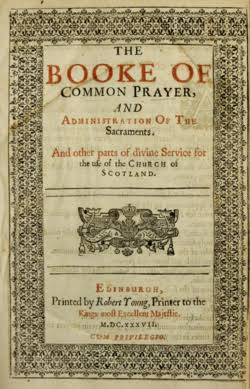
Mattins (Wednesday after Trinity 14) Reading: Romans 14
and …
Dost thou renounce the devil and all his works, the vain pomp and glory of the world, with all covetous desires of the same, and the carnal desires of the flesh, so that thou wilt not follow nor be led by them?
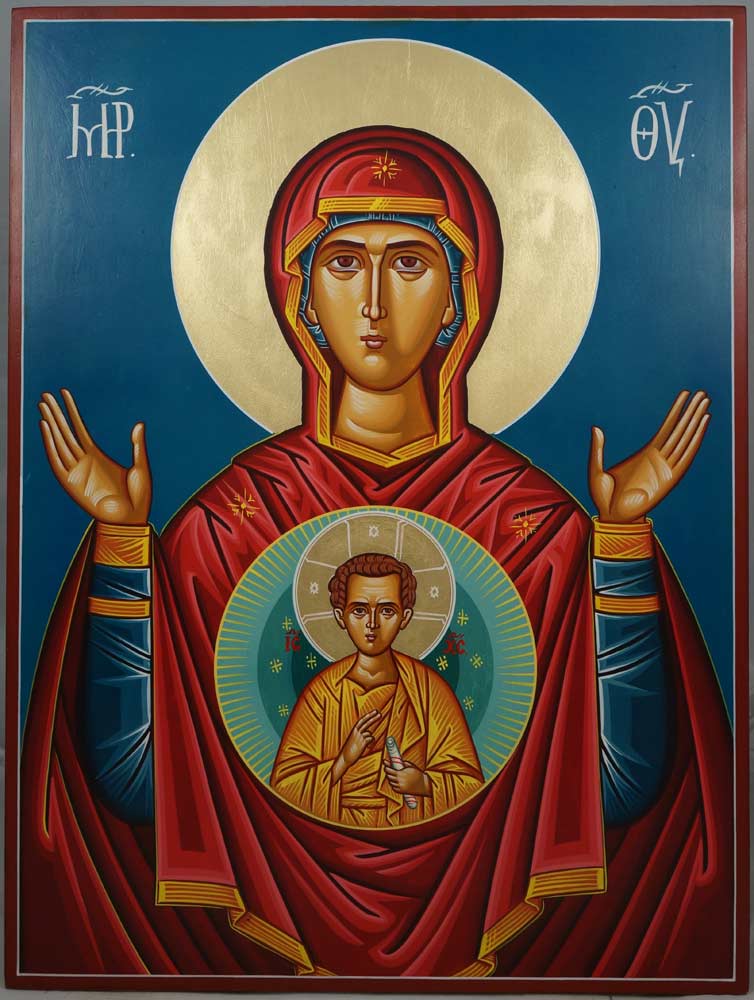
Prayer to the Most Holy Theotokos before her holy icon Our Lady of the Sign
O most holy and blessed Mother of our beloved Lord Jesus Christ
We fall down in adoration of thee before thy holy wonder-working icon, keeping the memory of the wondrous sign of thine intervention, shown unto Novgorod the Great in the days of that city’s siege.
We humbly beseech thee, thou all-powerful Protectress of our race: as thou didst hasten to the aid of our fathers of old, grand us now also, in our weakness, thy Motherly protection and care.
Save and keep, O Lady, thy community under the shelter of thy mercy; the holy Church, thy city, and all Orthodox Christians; all of us who in faith and love fall down before thee, with heartfelt tears begging thy defense.
Yea, most merciful Lady, take pity upon us who are cast about by the storm of our many sins, extend unto Christ the Lord thy hands that received God, plead our cause before His goodness, asking pardon of our sins, a devout and peaceful life, a happy Christian end and a good defense at HIs dread judgment seat; so that, saved through thy most effective prayers unto Him, we may inherit the bliss of Paradise and with all the Saints sing the glory of the most honourable and majestic name of the Holy Trinity, worthy of all worship: of the Father, and of the Son, and of the Holy Spirit, and thy great mercy towards us, unto ages of ages. Amen.
… you have not noticed (read between the lines) I have an issue with modern Christendom/Christianity. First, and primary, is that I do not believe in Christianity – I offer my heart to Jesus only. I have been called many things (a “Jesus only Christian” amon them) and it matters little into which box you put me. Christianity has become an institution that is more concerned about itself than people. (It is a religious form of “take one for the team”.)
Second, modern forms of Christianity elevate the institution over the individual. In my life I have heard many sermons about the “power of we” or the deadly sin of individualism. Yes, I am not the creator. Yet I am the “end” of all truth. All the correct doctrine in the whole world (apart from the fact that I cannot put into words that which is beyond words) but is not put into action is “empty sound”. The institution turns the individual (with feelings, context, and insight) into a commodity to be “converted”.
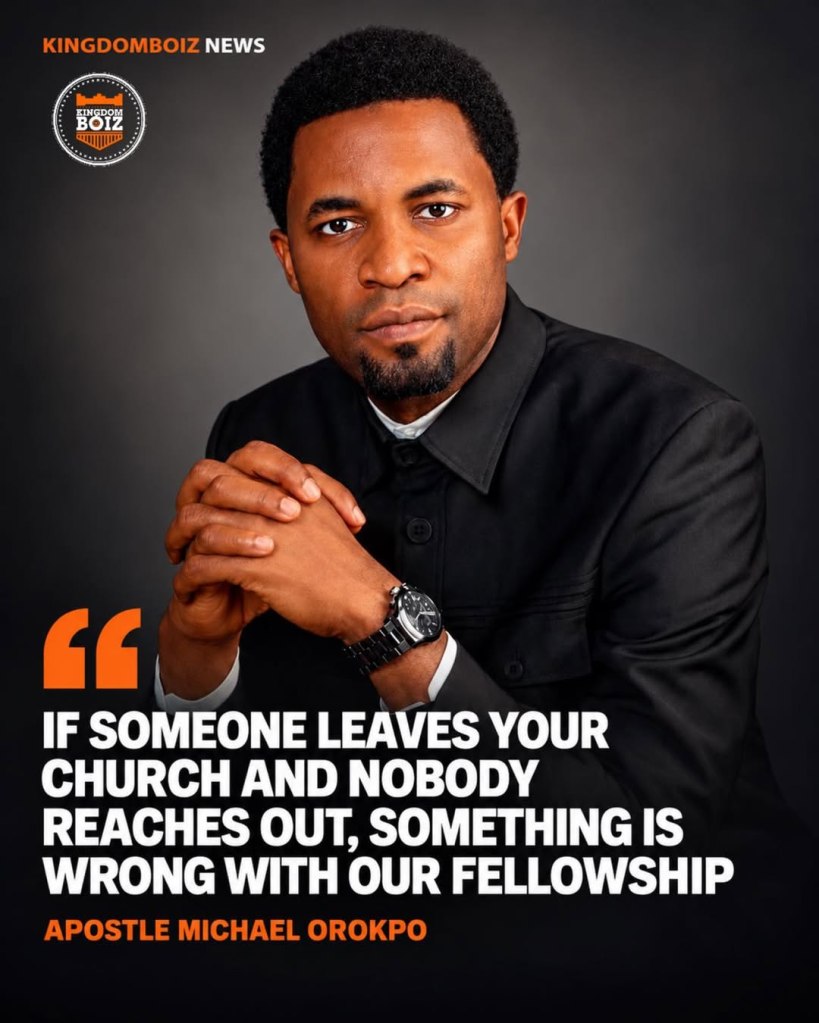
Anyway! I saw this today. I do not know the individual, nor his organisation. Yet, from personal experience, this sounds true to me:
Have you ever regretted reading a book — which one and why?
I can honestly say that I have never regretted reading a book. But I have had a negative emotional response to some books. That does not mean I regret reading them. Any book, any interaction, brings with it a call to respond, to be transformed. Sometimes it is a bad example of how not to be!
We learn of the Cappadocian monastic office from the writings of St.Basil the Great (d. 379). Basil, a well-educated and cosmopolitan bishop, had visited the monastic centers of Syria, Palestine, Mesopotamia, and Egypt to learn their spirit and uses, and had lived the ascetic life with his friend Gregory Nazianzen (d. ca. 390) before becoming bishop of Caesarea in Cappadocia and exarch of Pontus in 370. His famous rules have had enormous influence on the whole history of cenobitic monasticism – St. Benedict relied heavily on Basil-right up to our own day.
To give seculars a living model of Christian life, Basil established his communities of ascetics in towns, and in Longer Rules 3:1 he explicitly rejects the idea that they are “monks.” They were simply Christians taking the whole business seriously. For this reason the practices Basil describes are close to the usages of the secular churches – otherwise how could they be an example to the laity? But at the same time to ignore the ascetical heritage of Egypt, the cradle of religious life in the popular mind, was unthinkable. So these Basilian ascetics celebrated matins and vespers in imitation of the cathedral offices, adding to them terce, sext, none, and later compline, as well as something new, a mesonyktikon or nightly vigil not at cockcrow as in Palestine and Antioch, but at midnight. Clearly, this cursus is mainly a “liturgicizing” of the ancient horarium of Christian daily prayer.
I can truely say that I have no best and worst. I can count on one hand the number of airports and none were that memorable. Sorry!!!
Am I just wasting my time (and your time, dear reader) with these prompts? I do not travel, nor do much apart from read and drink coffee so should I continue? I am not sure either way.