stopped going to church

What’s the most spontaneous thing you’ve ever done?

On Christmas Day three years ago I decided to no longer attend church. I had intended to go. It was the first time in my whole life. I had always been involved. But that day it all became somewhat clear – this is not for me!

I went to Midnight Mass the night before and could not wait for it to end. The sermon was just silly and I did not commune. So it was time to make the hidden visible.
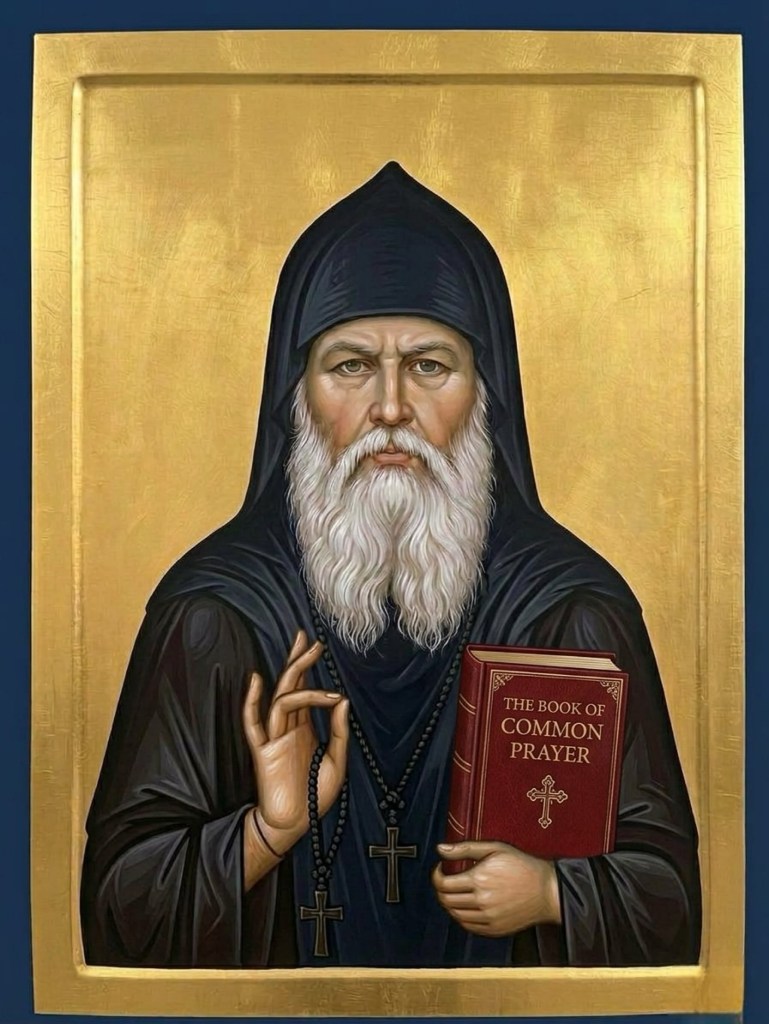
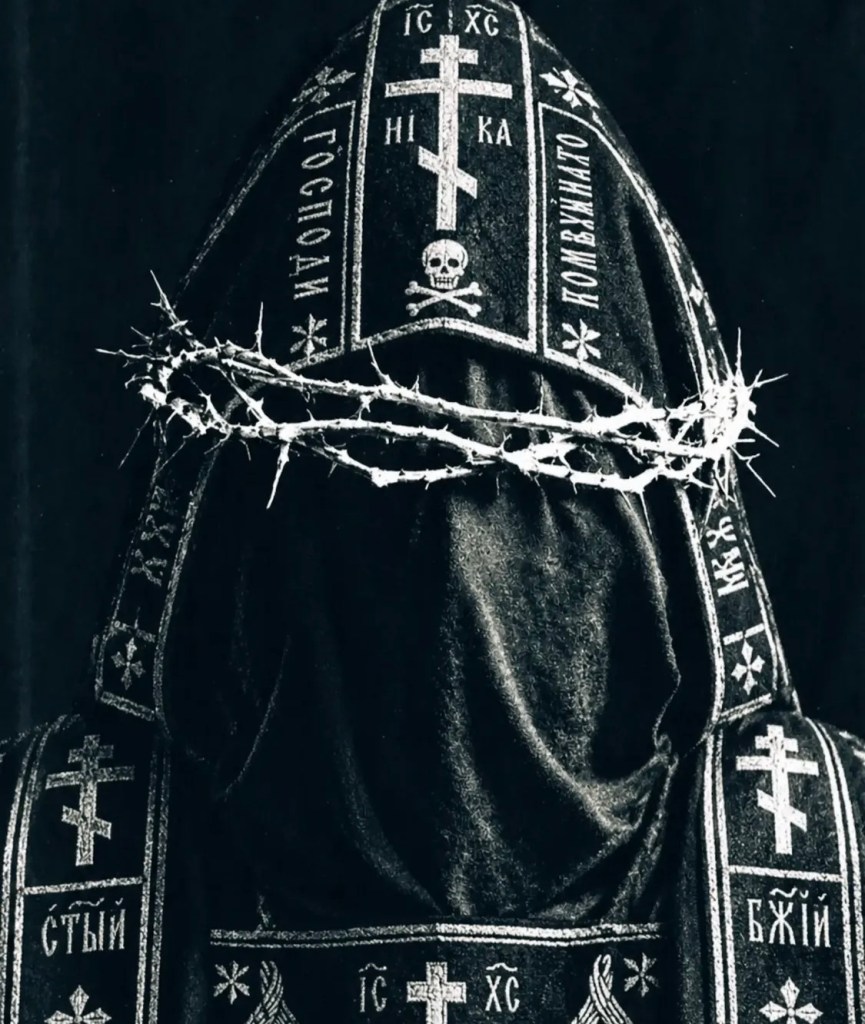
saying “no”

How do you make time for self-care?

This might sound overly simplistic – by simply having the courage to say “no”. “No, that is not for me”. An act of rebellion!

So by putting me before others and not allowing the feeling of duty to motivate me into something that I have no desire to do! Or no desire to be!

The flip side is that when I show up, you get all of me.

prophetic

Monasticism is prophetic by nature not only because of its truthful character which attracts the Spirit of Truth, but also because the prophet of God has no place in this life, just as ‘the Son of man had nowhere to lay His head’,10 not even in the Synagogue which had been founded in His Name. However, the word of God loves the heart of the prophet for he has God as his only refuge.

Monasticism: The All-Embracing Gift of the Holy Spirit

become ‘a nothing’

The paradoxical phenomenon of monasticism is not easily understood, not even by all monks. A true monk puts himself below every creature, verifying Christ’s words: ‘If any man desire to be first, the same shall be last of all, and servant of all,’ and ‘He that serves is greater than he that sits at meat.’ Who of the children of this age would be so foolish as to desire to put himself lower than all and become ‘a nothing’?

Monasticism: The All-Embracing Gift of the Holy Spirit

being “incognito”

The individual does not stop being a human being, take off finitude’s motley in order to be dressed in the abstract garb of the monastery; but nor does he mediate between the absolute τέλος and finitude. In immediacy the individual is rooted in the finite; when resignation has convinced itself that he has acquired the absolute orientation towards the absolute τέλος, all is changed, the roots severed. He still lives in the finite, but he does not have his life in it. His life, just like anyone else’s, has the diverse predicates of a human existence, but he inhabits them as one who goes around in clothes borrowed from a stranger. He is a stranger in the world of the finite, but does not define his difference from worldliness by an alien mode of dress (a contradiction, since it would define him as worldly); he is incognito, but his incognito consists precisely in looking just like everyone else.

Kierkegaard: Concluding Unscientific Postscript (Cambridge Texts in the History of Philosophy), 344-345

being “me”

What’s one thing you wish you had started doing earlier in life?

Beside living?! Reading serious philosophy. Not following the crowd and wanting to be acceptable to a group. Looking inside rather than outside for “me”. Or, simply, being truly me without self-censoring and dumbing down for other people. Not being arrogant about it but letting go of the need to be liked for “not being me”.