Who is the fictional character you relate to the most?
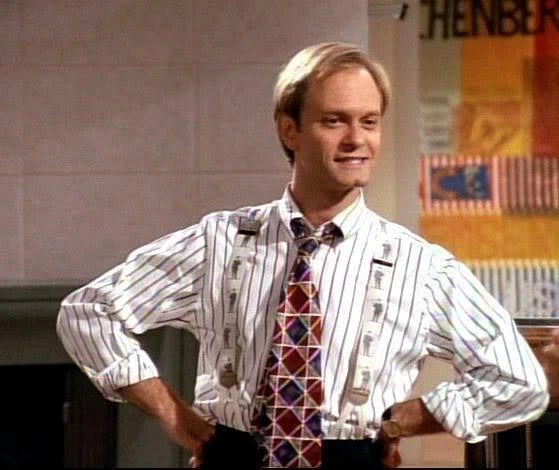
Uh, I’d like a petit filet mignon, very lean; not so lean that it lacks flavor, but not so fat that it leaves drippings on the plate. And I don’t want it cooked; just lightly seared on either side, pink in the middle; not true pink, but not a mauve either, something in between; bearing in mind, the slightest error either way, and it’s ruined. Niles Crane
So let me change the prompt a little: is there a mind behind everything? Yes! Is there a person who loves me and orders things? Yes. But … and this is a HUGE BUT … that does not remove my accountability for my actions.
I am not a fan of the idea of “fate”. Yes, reason but also accountability.
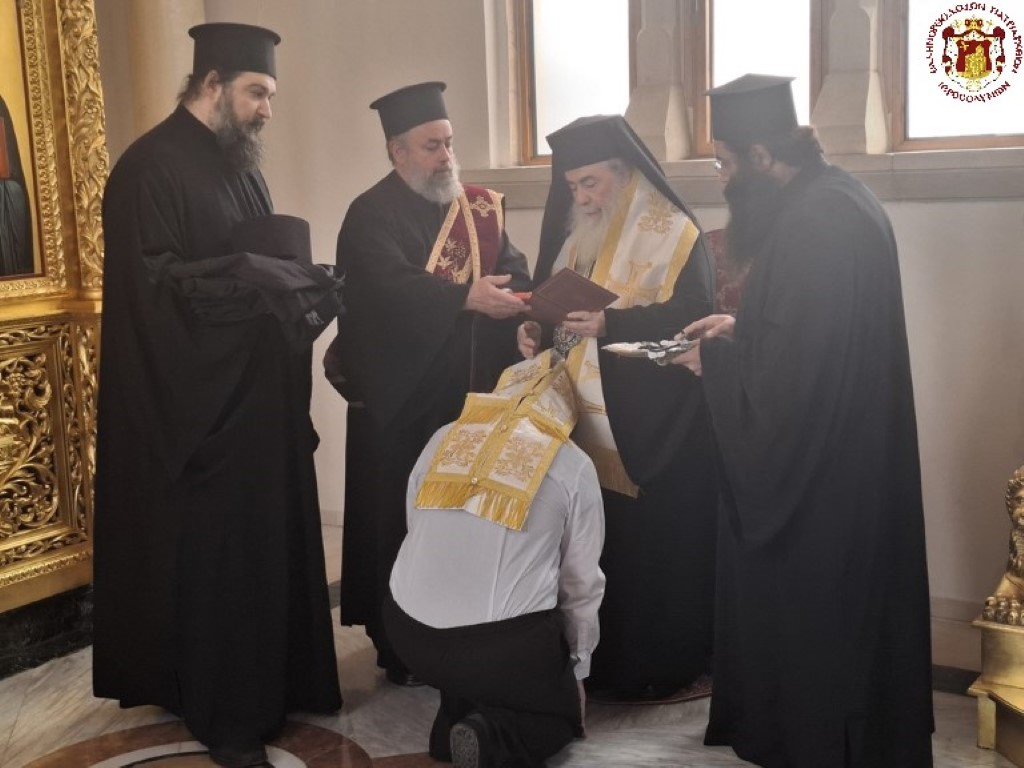
The Candidate at a Monastic Profession, a penitent like the Candidate for Baptism, comes as though to a second baptism. He is referred to in the Office itself as a Catechumen. He is unclothed in the Narthex, as though about to be baptized by immersion, and to signify that he is to put off the old man and put on the new. The Candidate takes Vows, similar to the baptismal vows of renunciation, faith, and obedience to the end of life. The Vows are taken, as at Baptism, in answer to formal and explicit questions. A new name is given, as at Baptism, which commonly has the same initial letter as the baptismal name; and the head is shorn, as at Baptism. The Habit given to the Monk or Nun at the Profession may be compared to the baptismal garments of the newly-baptized, consisting of the Chrisom-Robe, called in the Office of Baptism the Tunic of righteousness; the Girdle; and the Chrisom-Veil, known as the baptismal Cowl, or Cap. The Cross, the lighted candle, and the kiss correspond to those given at Baptism. And on the eighth day there follows the laying aside of the Cowl, after analogy of the laying aside of the baptismal robes.
In the Penitentiale of Theodore of Tarsus (a:b. 668-690) it is stated that the Monk covers his head with his Cowl for seven days, and on the seventh day the Abbot removes the head-covering, just as the Priest takes away the infant’s head-covering ; because, according to the opinion of the Fathers, the Monastic Profession is a second baptism, in which all sins are remitted as in baptism.
Mortals, escape with me from a false world! Christ calls. Away! Life be our voyage fair, Safe riding o’er the surge of cares and lies! One quest alone employs the lonely Monk, How he may reach the Haven of true peace, Where never comes the strain of breaking hearts. O happy life, all music, free from sorrow! Where is the prudent seeker of true gain Will part with all the world and choose the Cross?
What’s a song lyric that has stuck with you forever?
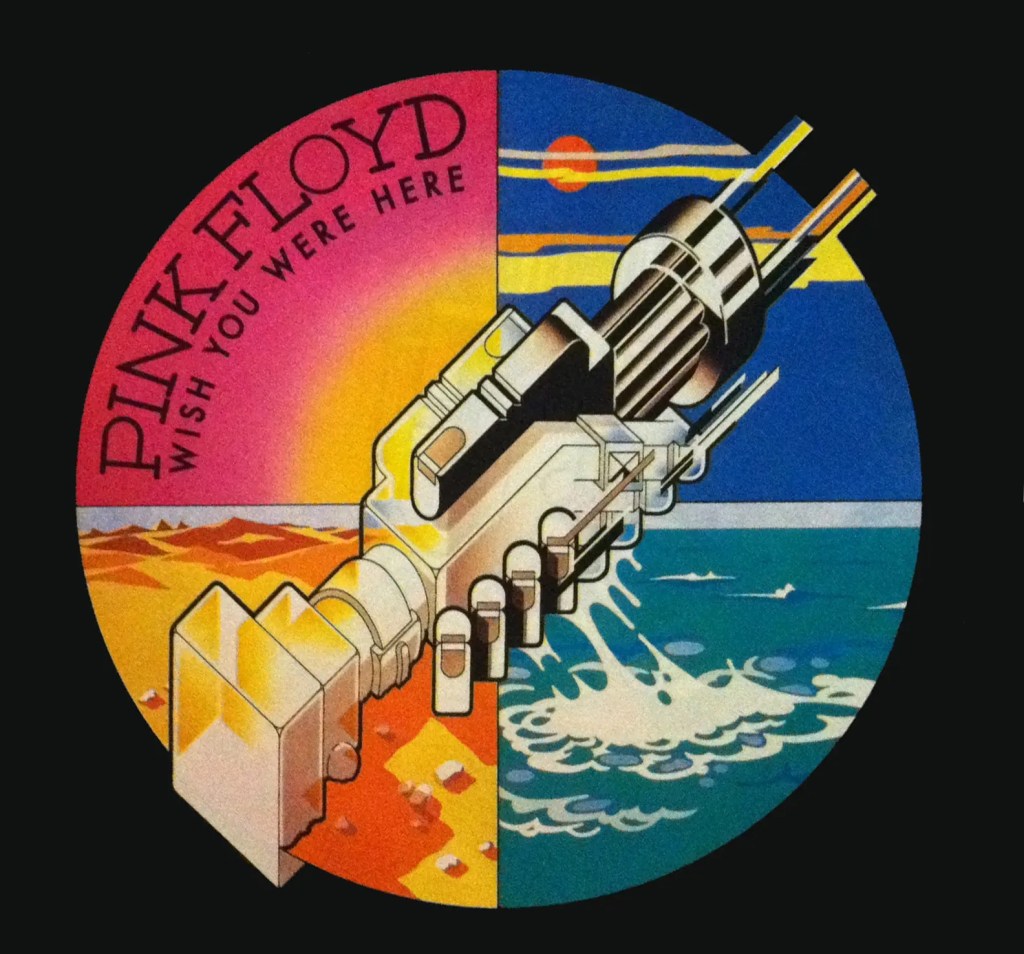
That is somewhat easy: Pink Floyd’s Wish You Were Here. It is the title track from first album I purchased. Have always loved it and even more in recent times.
So, so you think you can tell Heaven from Hell blue skies from pain Can you tell a green field from a cold steel rail? A smile from a veil? Do you think you can tell?
And did they get you to trade your heroes for ghosts? Hot ashes for trees? Hot air for a cool breeze? Cold comfort for change? And did you exchange a walk on part in the war for a lead role in a cage?
How I wish, how I wish you were here We’re just two lost souls swimming in a fish bowl year after year Running over the same old ground What have you found? The same old fears Wish you were here
If you could rewrite any book’s ending, which one would you choose?
I feel some dejavu with this prompt!?
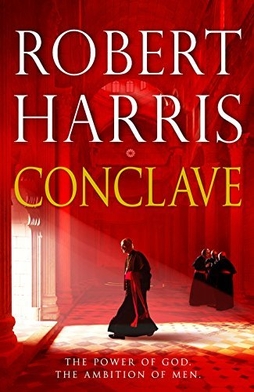
Another book I would rewrite, only a little, is Conclave by Robert Harris. It is a magnificent book, very descriptive and captivating. But it just did not need that ending. (A little Captain Obvious.)
To seek Jesus in solitude and silence. To live the life of a hermit. To pray and fast. To wait on the Lord. To be forgotten by the world. To learn humility.
PS: If you reading this, click on this post which says it much better.